
A cooker is called a cooker because you use it to cook things. Makes sense. So then why is a butterfly called a butterfly? Sure, they can fly, but I’m pretty sure scientists would know by now if they were made of butter.
To answer this conundrum, we’d need to dig into the word’s etymology – which is where it came from and how it’s evolved over time.
The word ‘butterfly’ is actually a really interesting choice as there’s no universally accepted origin – some suspect it’s because of their colour (Brimstone butterflies are a buttery-yellow) and others believe it comes from medieval folklore wherein witches turned themselves into butterflies to steal milk and butter.
When choosing the pillars I really wanted to focus on to create a believable world, I knew I’d be coming up with a load of new words. That and designing new monsters is one of the major perks of this whole process!
The trick is to make them feel like they aren’t new at all.
Fantasy name generators be damned!
Last month I spoke about how nature is one of our core themes, also featuring in many of the stories explored within Garrison. In order for things to feel cohesive, I’ll often look to the natural world to seek inspiration.
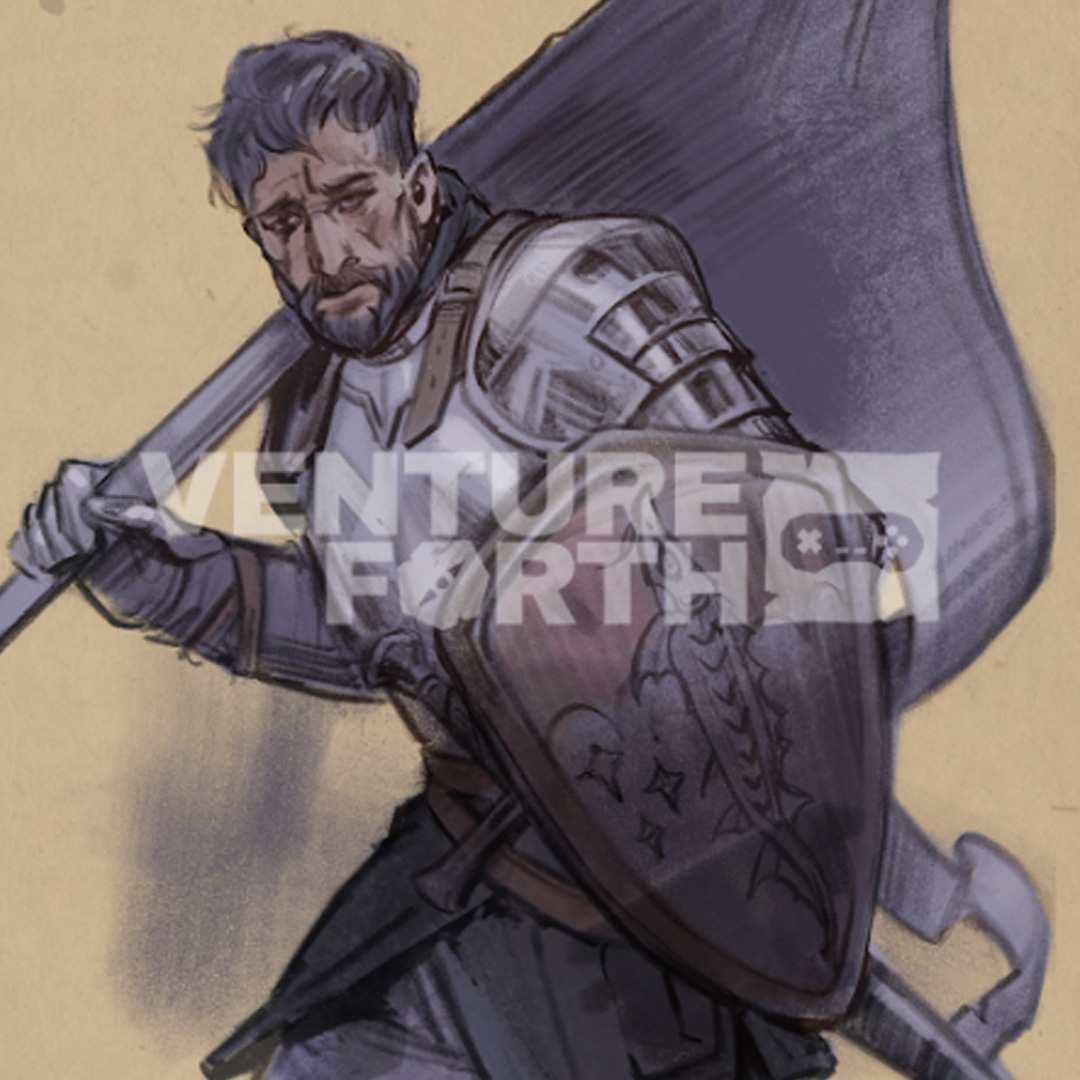
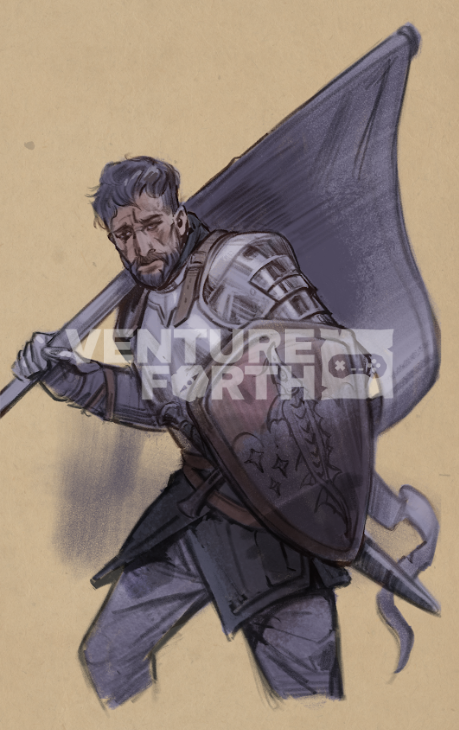
A great example of this – and one of the first characters I ever named – is Rowain, the knight. I took a tree that was abundant in the area I grew up in (Rowan aka Mountain Ash), added a letter to spice it up with more of a fantasy feel and the job was done.
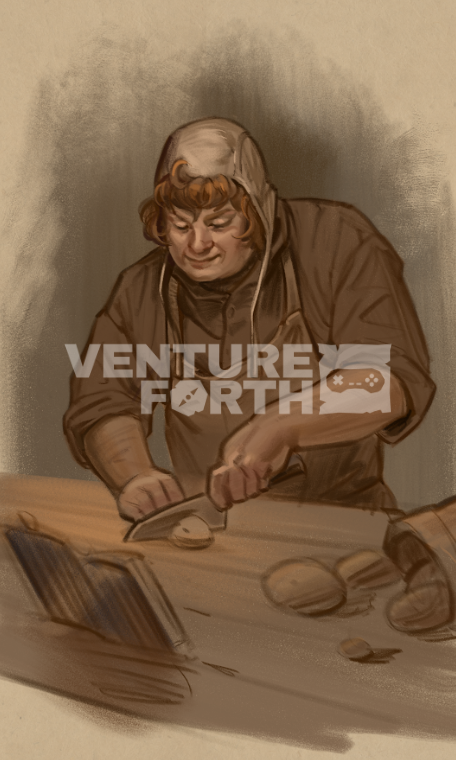
On the flip side, we’ve given a not-so-subtle nod to The Lord of the Rings through Astin, the chef – named after Sean Astin who played Samwise Gamgee in the movies.
We have over 60 characters that all need names, as well as NPCs and locations, items, monsters… the list goes on. Luckily for me, I’m not having to start from scratch each time.
Archaic sleight of hand
Language is fascinating, isn’t it? Bound by a fixed set of rules and yet flexible enough to constantly evolve. My goal is to sneak as many of my creations in as I can without raising any suspicion.
Names pose the lowest amount of challenge, I’d say. As long as they don’t stand out too much – like Gary or Susan – there’s a lot of leeway in a fantasy RPG setting. Anything beyond that poses a lot more of a challenge.
The English language as we now know it is rooted in Old and Middle English – with Germanic and later French influence. So, when trying to coin a new word, that’s often another jumping off point for me.
A key part of this game is crafting potions to take with you on missions. I wanted a kind of ‘catch all’ term for the various different animal fats that exist (tallow, lard, bear fat, deer fat, etc) – frequently used as ingredients in medieval alchemy.
Digging back to the origin of the modern word grease, which is both appropriate for the texture and origin of what I’m trying to create, we end up at the Old English word ‘grēse’. To me, this could quite naturally progress into ‘gressel’ – it also sounds close to gristle which gives it a sense of… meaty authenticity.
I used a similar trick when naming our antidote item, Attergan Elixir. Instead of using a seed word and putting a modern-sounding spin on it, I instead compounded two existing Middle English words together – ‘atter’ meaning poison or venom and ‘gan’ meaning gone.
A sum GREAtER than its parts
Once you have all of these new words, the next step is figuring out what to do with them. I’m trying to put as much effort into how these words are used as I did creating them, so that they seamlessly blend into a living, breathing world.
There’s no one right way to do this – at least to the best of my knowledge – so I’m using more of a mishmash approach that works to varying degrees of success.
Something I’m particularly proud of is the Twilight of the Fallow, a festival that marks the end of the growth season (summer) and the start of the harvest season (autumn).
Across the world, there are many different events and festivals that celebrate the migratory patterns of different creatures – such as Monarch butterflies returning to Mexico at around the same time as the Day of the Dead.
Of course I’ve come up with a few different butterfly species, though the Fallowtale in particular is hands down my favourite.
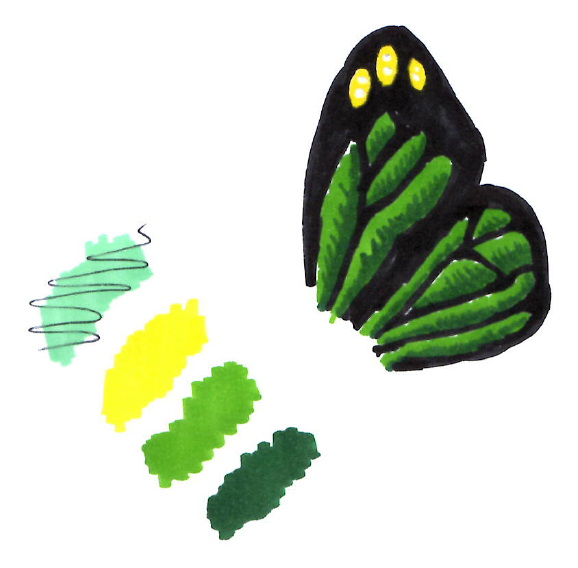
Split in half, ‘fallow’ is an agricultural term referring to a period of time when land is left alone to restore its fertility. There’s a double interpretation for ‘tale’ – first off, the Fallowtale begins their migration at a time that coincides with the ‘tail end’ of the growth season.
Secondly, the Twilight of the Fallow festival is a time when people come together and either barter or buy goods for the upcoming colder months. A large part of that is also exchanging stories – for many it’ll be an opportunity to catch up on gossip and talk about how their growing season went.
It might seem like a lot of effort to shoehorn in a single word (or in this instance, species) but it’s actually pulling a lot of weight. The Fallowtale butterfly gave this world its own seasonal calendar in a way that fits contextually with everything else going on around it!
Community Q & A
My brother, whom I love, happens to be perhaps one of the least patient human beings on planet earth. Whenever we catch up about Garrison, the conversation eventually makes it way round to a variation of:
When will it be ready?
From the start, my answer has been “I don’t know.”
Don’t get me wrong, we of course have a schedule that estimates how long production is going to take. That’s all it is though – an estimate – which is changing on a weekly basis.
Right now we’re like a smouldering fire, quietly burning away in the background. If, and this is a big if, we’re able to secure a big ol’ bundle of logs (read: money) then we can properly ignite and make this game a lot faster.
Of course, this comes with risks of getting burned or even going up in flames.
Analogies aside, right now I’m anticipating this process to take three or perhaps even four years. It really depends on funding and that, in turn, depends on us producing a playable version of the game.
I’m not going to jinx myself or give too much away but that moment is rapidly approaching. Make sure you’re subscribed to our newsletter so you don’t miss it! We’re on Discord and Bluesky, too.
Cheers, Andrew